
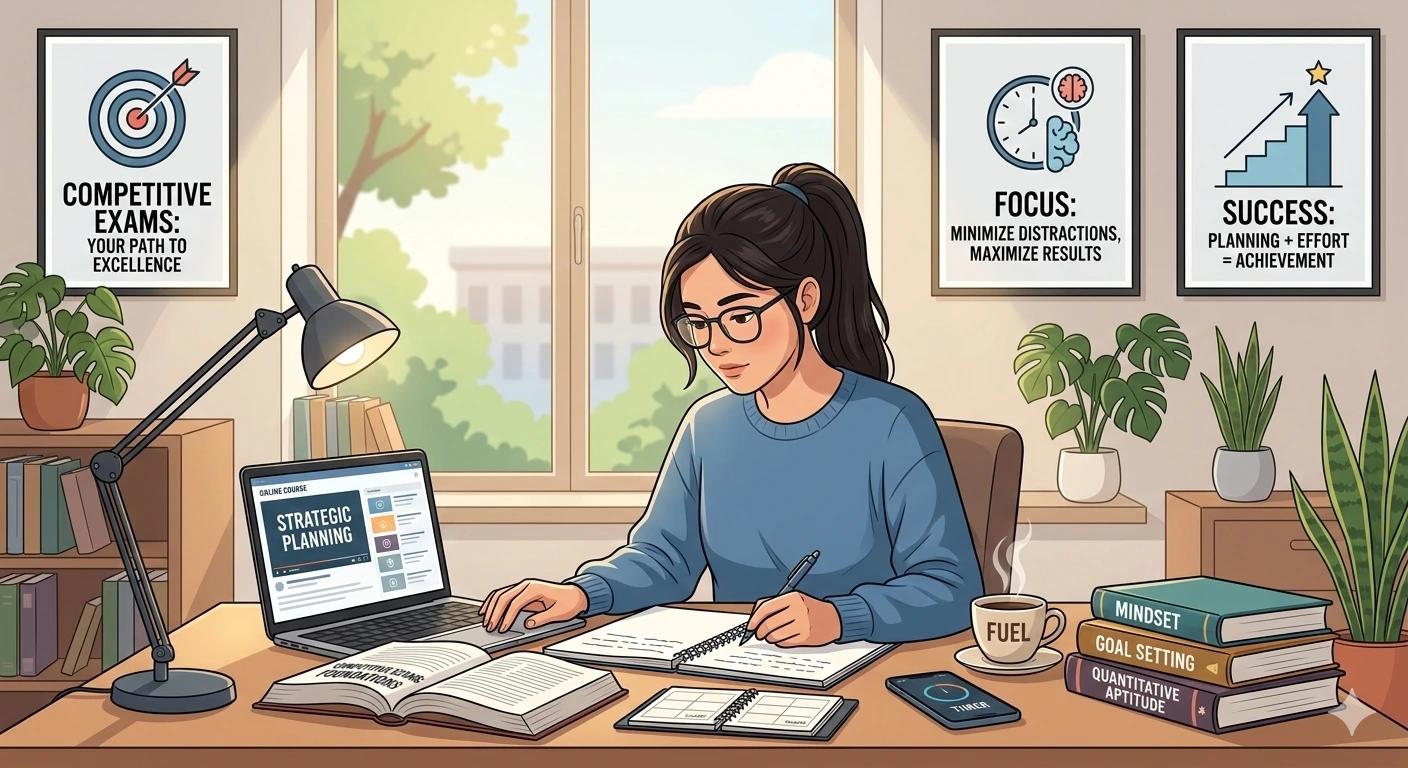
Graduating from college is an exciting milestone, but for many students, it also marks the beginning of a new challenge: preparing for competitive exams after graduation. Whether you aim for government jobs, civil services, banking, or other professional certifications, a structured approach can make the difference between success and struggle.
In this blog, we’ll explore practical strategies, tips, and resources to excel in competitive exams after graduation and build a successful career after graduation.
Understand the Exam Pattern and Syllabus
The first step in preparing for competitive exams after graduation is to thoroughly understand the exam structure. Most exams have a defined pattern, including sections like general knowledge, quantitative aptitude, reasoning, and subject-specific knowledge. Reviewing the syllabus helps you prioritize topics and plan your study schedule efficiently.
For instance, if you are preparing for banking or civil service exams, focus on current affairs, basic mathematics, and logical reasoning. Knowing the exam pattern in detail also helps you gauge the level of difficulty and the time required for preparation.
Create a Realistic Study Schedule
One of the biggest challenges in preparing for competitive exams after graduation is time management. After graduation, many students juggle jobs, internships, or family responsibilities. A realistic study schedule balances consistency with flexibility.
Divide your day into study blocks and allocate more time to challenging topics. Short, focused study sessions often work better than long, exhausting ones. Use weekends for revision and practice tests to reinforce concepts.
Use Quality Study Materials and Resources
Choosing the right study materials is crucial when preparing for competitive exams after graduation. Opt for standard books, online courses, and video lectures recommended by successful candidates. Avoid overloading yourself with too many resources; instead, focus on a few reliable ones and cover them thoroughly.
Online platforms, apps, and educational forums can also provide updated content and mock tests. They are especially useful for staying current with general knowledge and current affairs sections.
Practice Regularly with Mock Tests
Practicing with mock tests and previous years’ question papers is a key strategy in competitive exams after graduation preparation. Mock tests help you understand the exam pattern, manage time effectively, and identify weak areas.
Make it a habit to analyze your performance after every test. Note which sections need improvement and focus on them in your subsequent study sessions. Regular practice not only builds confidence but also reduces exam anxiety.
Focus on Conceptual Clarity
Merely memorizing facts rarely leads to success in competitive exams after graduation. Instead, focus on understanding core concepts, especially in quantitative, logical, and technical sections. Conceptual clarity ensures that you can tackle tricky or unfamiliar questions with ease.
Use real-life examples and problem-solving techniques to strengthen your understanding. Remember, competitive exams test your analytical and reasoning skills more than rote knowledge.
Maintain Consistency and Motivation
Consistency is the backbone of preparing for competitive exams after graduation. Even small daily progress adds up over time. Set achievable goals, track your progress, and reward yourself for milestones.
Motivation is equally important. Surround yourself with peers or mentors who encourage your growth. Positive reinforcement and a disciplined mindset go a long way in sustaining long-term preparation.
Take Care of Your Health
Preparing for competitive exams after graduation can be mentally and physically demanding. Don’t neglect your health during this period. Proper sleep, a balanced diet, and regular exercise improve focus and stamina. Stress management techniques like meditation or short breaks during study sessions can enhance productivity.
Additional Entrance Exam Tips
1. Prioritize topics based on weightage in the exam.
2. Make concise notes for quick revisions before the exam.
3. Use flashcards or mind maps for memory-intensive subjects.
4. Stay updated with current events, especially for exams with a general knowledge section.
5. Join discussion groups or online forums to clarify doubts and exchange strategies.
Planning Your Career After Graduation
While preparing for competitive exams after graduation, it’s also important to consider your broader career path. Exams can open doors to government positions, specialized fields, or professional growth opportunities. Having a clear vision of your career after graduation helps maintain focus and choose the right exams aligned with your goals.
Some graduates combine short-term job experience with exam preparation to gain practical exposure. Others may pursue higher studies while studying for entrance exams. Align your exam strategy with your long-term career objectives for maximum impact.
##