
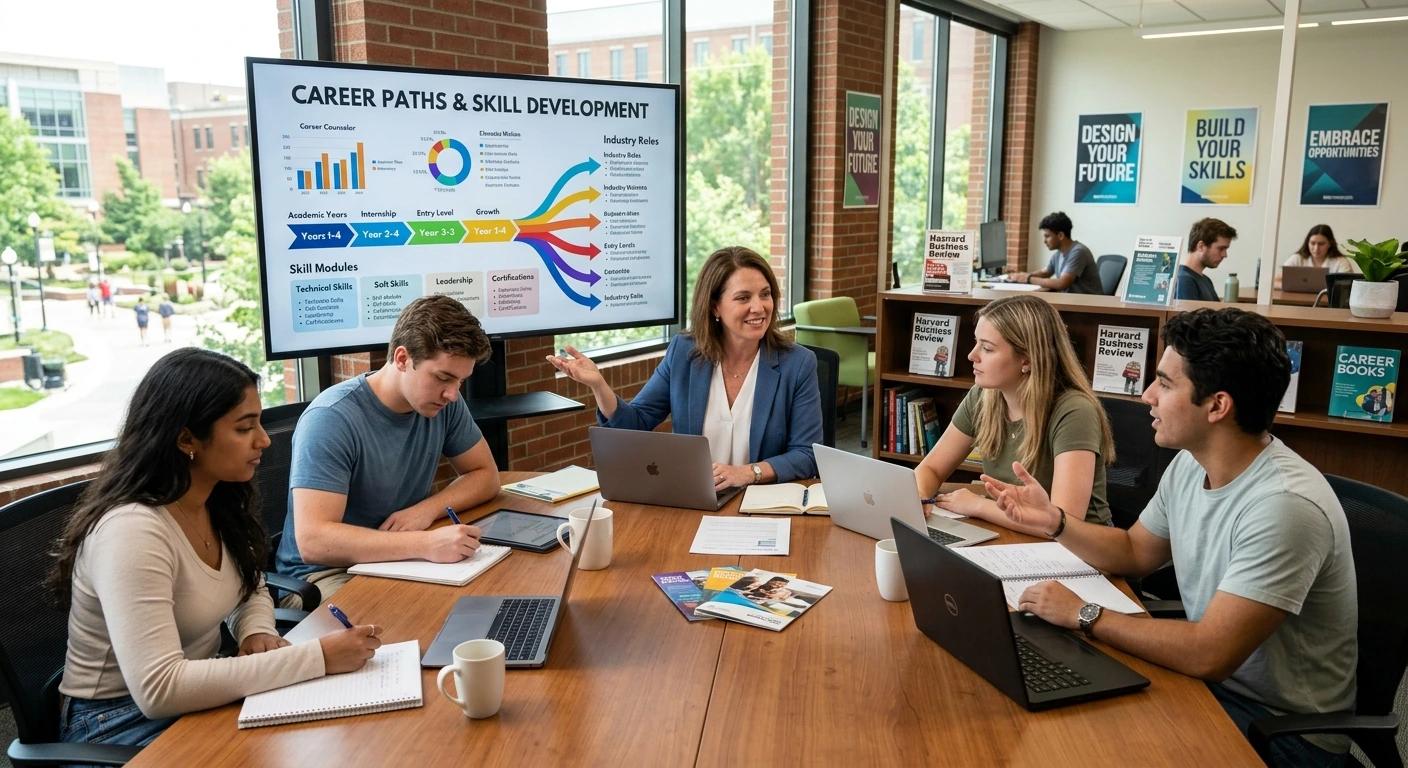
Choosing the right career path can be one of the most important decisions in a student’s life. College students often face uncertainty about which field to pursue, what courses to take, or how to align their skills with future job opportunities. This is where career counselling tips become essential. With proper guidance, students can make informed choices and prepare themselves for a successful professional journey.
Understanding the Importance of Career Counselling
Career counselling tips provide students with structured guidance on how to assess their strengths, interests, and potential career paths. Effective career counselling helps students identify their skills, set realistic goals, and explore various options. It reduces confusion and stress, giving students a clear roadmap to achieve their aspirations.
Professional guidance through career counselling also ensures that students do not make hasty decisions based on peer pressure or societal expectations. Instead, they receive personalized advice aligned with their long-term objectives.
Self-Assessment and Skill Evaluation
One of the first steps in effective career planning is self-assessment. Career counselling tips often emphasize understanding your strengths, weaknesses, and interests. Tools such as aptitude tests, personality assessments, and skill inventories can help students evaluate their capabilities and identify areas of growth.
Knowing yourself allows you to make informed decisions about your future. It helps in narrowing down career options and aligning them with your personal goals and abilities. Students who follow these tips can confidently choose fields where they are most likely to excel.
Exploring Career Options
Another key aspect of career guidance is exploring various career opportunities. Students should research industries, job roles, and educational requirements before making decisions. Following career counselling tips such as attending career fairs, internships, and workshops provides practical exposure and helps students understand real-world expectations.
By exploring multiple career options, students gain clarity and avoid making uninformed choices. They can compare potential career paths, assess growth opportunities, and align their decisions with both interests and market demands.
Professional Career Advice
In addition to self-assessment and exploration, receiving professional career advice is crucial. Career counsellors and mentors offer insights into emerging trends, industry requirements, and skills in demand. These experts guide students on how to strengthen their profiles, build resumes, and prepare for interviews.
Professional guidance ensures that students make strategic decisions rather than random choices. It helps them understand the practical aspects of careers, including salary expectations, work environment, and growth potential.
How to Choose a Career
Many students struggle with the question of how to choose a career. Following structured career counselling tips can simplify this process. Counsellors encourage students to consider their interests, strengths, values, and lifestyle preferences. They also recommend evaluating the long-term prospects of chosen fields to ensure sustainability and personal satisfaction.
Choosing a career is not just about immediate rewards. It involves thoughtful consideration of personal goals, skillsets, and market trends. Career counselling helps students approach this decision systematically and confidently.
Setting Goals and Planning Ahead
Once students have clarity about their career choices, goal setting becomes essential. Career counselling tips emphasize creating short-term and long-term plans, identifying milestones, and tracking progress. Effective planning ensures that students stay focused and motivated throughout their academic and professional journey.
By setting clear goals and following expert guidance, students can avoid confusion, procrastination, and unnecessary stress. A well-planned approach improves the chances of career success and personal fulfillment.
Continuous Learning and Skill Development
Finally, following career counselling tips encourages students to embrace continuous learning. The modern job market demands adaptability and constant upskilling. By attending workshops, enrolling in online courses, and gaining practical experience, students can enhance their skillsets and remain competitive.
Career counselling is not a one-time activity. It provides ongoing support and motivation, helping students stay updated with trends, tools, and technologies relevant to their chosen field.